 RO
RO
 HR
HR
 EN
EN

Historical overview
The Croats in Romania live in the scenic region of today’s Romanian Banat, where they settled during various periods in history, coming from different parts of Croatia. This cheerful community stands out because of its rich cultural heritage, strong awareness of its unique identity, and a deep sense of belonging to the Croatian nation.
The Croatian minority is divided into three main groups based on their geographic origins, historical backgrounds, and linguistic and cultural traits. Each group maintains its unique traditions, language features, and lifestyles, which enrich the diversity and strength of Croatian cultural heritage beyond the borders of the
Despite apparent differences, all three groups are connected through a spiritual bond to Croatian identity, as they preserve faith, language, and local traditions, as well as a desire to pass these values on to younger generations. Over the centuries, the groups have successfully blended their own cultural values with the new environment in which they have been, becoming a bridge between two cultures: Croatian and Romanian.
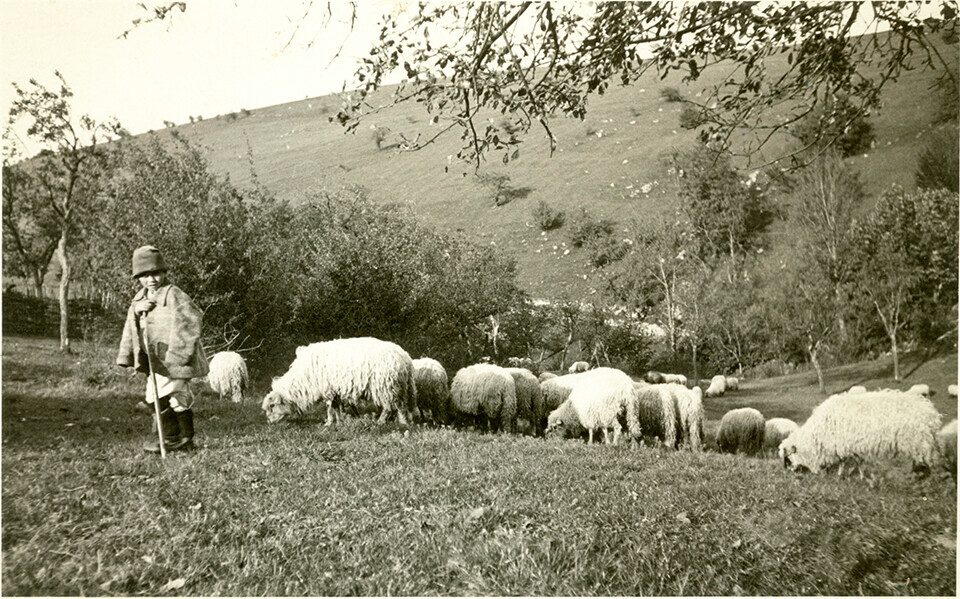
The largest and most numerous group of Croats in Romania is located in the southwestern part of the country, near Resita, the capital of Caraș-Severin County. This community has about 5000 members who proudly call themselves „Carasoveni " or „Croats Carasoveni. " The area is divided into two nearby communes, each with similar characteristics. Carașova comprises several villages, including Carașova, Nermed, and Iablancea, while Lupac has its own villages, such as Lupac, Rafnic, Vodnic, and Clocotici.
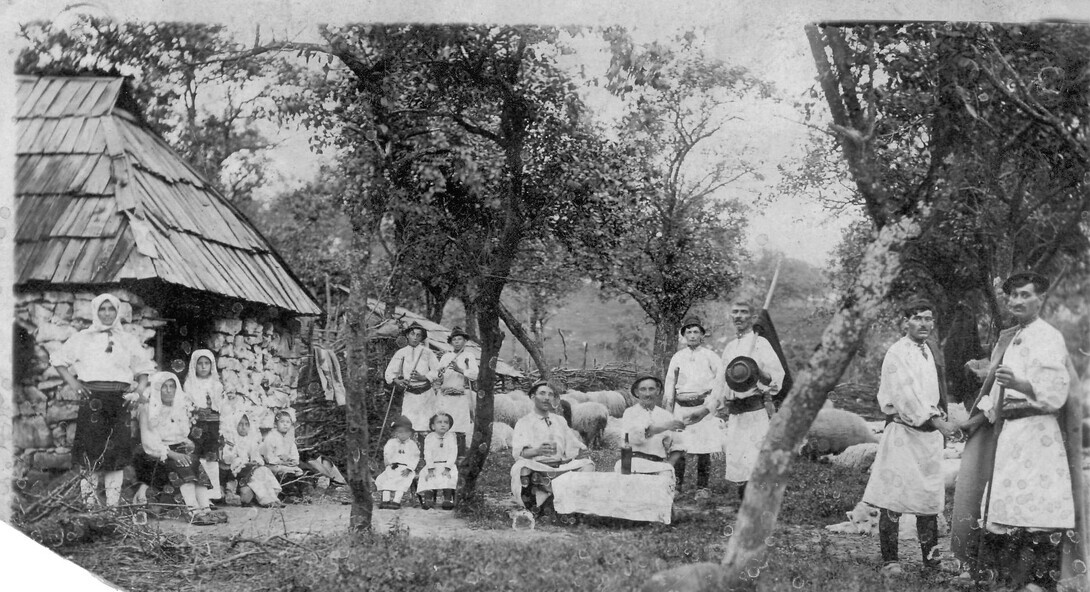 One of the main features that helped preserve the people of Carasova over the centuries was the geographical compactness of the Caras villages. The placement of the towns in a row creates a compact territory, with no Romanian villages between them, and the distance to the nearest Romanian settlements is quite considerable. Because the entire area is compact, the influence of the Romanian language and neighboring Banat dialects occurred by chance, and it could not significantly weaken the Carasovian dialect. Furthermore, despite being assimilated, the Carasovians Catholicized the Romanians who randomly entered their community over the centuries.
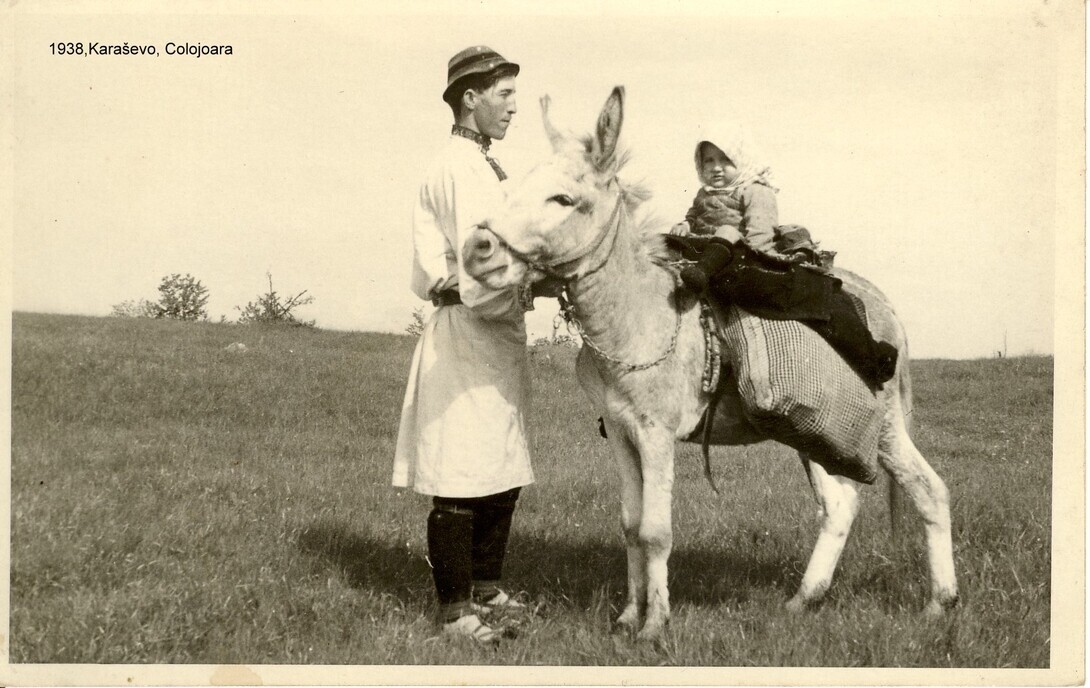
Carasova is the oldest and central area of the Croats from Romania, mentioned in historical records dating back to the late thirteenth century. From the beginning of the sixteenth century (and also in the second half of the fifteenth century), a Catholic order and institution are mentioned in Carasova, a fact noted in some historical sources.
In the distant past, almost every Croat in the Carasovian community owned a house in the village and a cottage on the hills, where they kept a herd of sheep to adapt to the infertile soil on which they lived. Their main occupations included animal husbandry, such as raising pigs and sheep, beekeeping, and fruit farming. They did less farming because of the poor soil. In the past, they also participated in other activities. For example, they were known in different regions of Banat for making wooden shingles and staves for barrels. They lived very simply in the past, spending most of their time on the farm and rarely visiting the village. They spent time together with their family only for Christmas or Easter. In the latter half of the past century, the Carasovian people began working in factories located in Resita. In recent years, a significant number of inhabitants have been working abroad, especially in Austria.
The fortress of Carasova
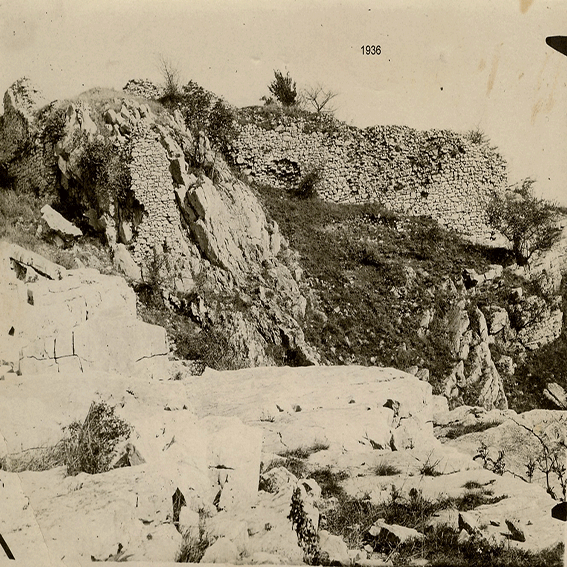
Above the canyon of the Caras River, where one of Romania's most stunning karst landscapes is located, lies a place rich in history, shaped by numerous legends. This site is known as "The Fortress of Carasova," built on Grad Hill in the southeastern part of Carasova County. The Fortress is a major tourist attraction in Banat. From within the Fortress, visitors can enjoy views of the Caras River canyon and the surrounding scenery.
Due to its strategic position and fortress-like location, Carasova was a significant administrative, religious, and political center. According to the population census of 1690-1700, there were estimated to be over 400 houses. Additionally, a fifteenth-century map shows that Carasova was identical to Timisoara or Lipova in terms of growth.
It is said that the Fortress of Carasova was built during the Dacian era and was later occupied by the Romans. The first record of the fortress dates back to 1323, when it was owned by King Carol I Robert of Anjou. Two hundred years later, the fortress was taken over by the Turks. Afterwards, they fortified the walls, turning it into a strong fortress, surrounded by a three-sided chasm and two defensive ditches in front. Due to the limited information available about the Fortress of Carasova, it has become the subject of numerous legends and folk stories. The inhabitants admit that the walls of the fortress were built with mortar mixed with wine and milk, making them stronger than those made with cement.
Later, the inhabitants became curious about the circular shape that remained after the fountain was removed. However, drilling into it would not have been easy because of its location at the top of the hill, 200 meters above the river that slowly flows through the valley. From this spot, various legends emerged about the fortress's water supply. Today, only remnants of a thick wall remain from the ancient fortress of Carasova.
Brief history of The Union of the Croats in Romania
The Union of the Croats in Romania is the leading organization representing Croats in Romania. Its primary focus is on maintaining the ethnic identity of the Croatian minority in the region. This organization was established in 1991 to unify the Croatian community in Romania, thereby preserving and promoting its cultural heritage and traditions.
Since 1995, the Union of Croats in Romania has been a full member of the Croatian World Congress, the largest organization of the Croatian diaspora, which aims to connect all Croats worldwide and promote unity among them, serving in an advisory capacity.
Its main aim is particularly connected to the minority that it represents. Furthermore, this organization was founded to represent, preserve, and promote the local traditions, language, and Croatian identity.
As part of the Union interest, in 1994, the local bilingual publication, „Hrvatska grančica”, was created, a magazine dedicated to the Croatian community of the Caras region, which is published even today. It preserves the interests, culture, traditions, language, and identity of the Croatian community.
Regarding education in the Croatian language, since the 1995-1996 school year, it has been approved to establish the bilingual
In the Romanian Parliament, the highest legislative and democratic institution has had the same representative since 2000. The first was Professor Milja Radan, and since 2012, the current president of the organization has been Mr. Giureci-Slobodan Ghera.
Despite sustaining the religious, sports, social, and cultural components of the Croatian population in this territory, the Union of Croats has invested significant funds from its inception, which helped create diverse objectives for the institution's operation. For example, at the bottom of Carasova County, the largest Croatian community in Romania, a central office was built. In the nearby park, a monument was erected, dedicated to the fallen and missing heroes of the First and Second World Wars. Close to the Union's building, an open-air stage was designed, where diverse folk festivals and artistic shows have taken place, featuring participants such as "Karaševska zora" and other cultural ensembles from Romania, Croatia, Bosnia and Herzegovina, and many other countries. Furthermore, a few years later, the
The second group of Croats in
From the 19th century to the 1950s, they maintained their own school and built a reputation for prestigious educational and cultural activities. Thanks to favorable circumstances, the Croats in Recas maintained good relationships with their fellow Croats from Checea and Bačka in Voivodina from the beginning of the 19th century.
Nowadays, shamefully, the number of Croatian residents is decreasing, and no one from Recas is using the Croatian language anymore, except for some older people.
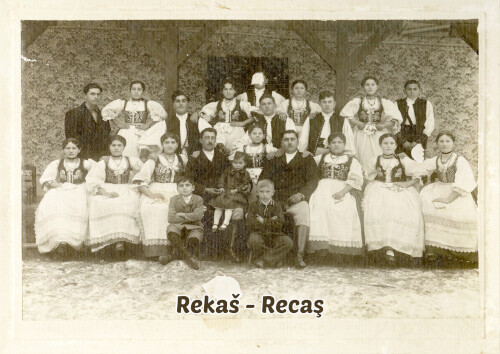
The second group of Croats in
From the 19th century to the 1950s, they maintained their own school and built a reputation for prestigious educational and cultural activities. Thanks to favorable circumstances, the Croats in Recas maintained good relationships with their fellow Croats from Checea and Bačka in Voivodina from the beginning of the 19th century.
Nowadays, shamefully, the number of Croatian residents is decreasing, and no one from Recas is using the Croatian language anymore, except for some older people.
The third group of Croats in
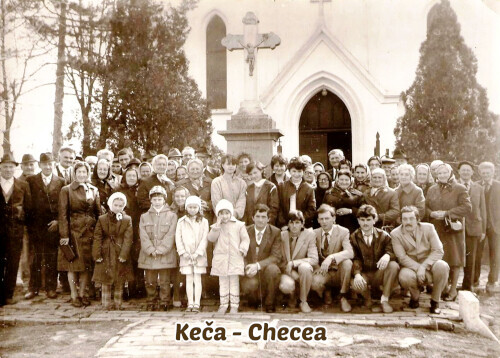
The migration of the people from Checea was not spontaneous but very carefully planned. Before moving to their new homeland, the migrants sent a delegation to ensure that they would follow a "better tomorrow" and that they would enjoy."
At the beginning of the eighties of the past century, it was recorded that the Croats from Checea, "i dendenes divanidu orvatski," were still speaking the Croatian language, even though only the older generations did. Through all of this, lifestyle changes, especially those in the education field, had begun to suppress the use of the maternal language idiom, and the primary language had entered into informal social interactions, especially among youngsters. The older generation has prevented the youngsters: Kaj sad Orvati, divanite po rumunjski, which means 'What kind of Croats are you if you speak Romanian ?' As well as in Recas, or even worse, in Checea, there are approximately 25 people of Croatian origin. The Croatian language is no longer used in that place, and the Croatian community from there is counting its last days.